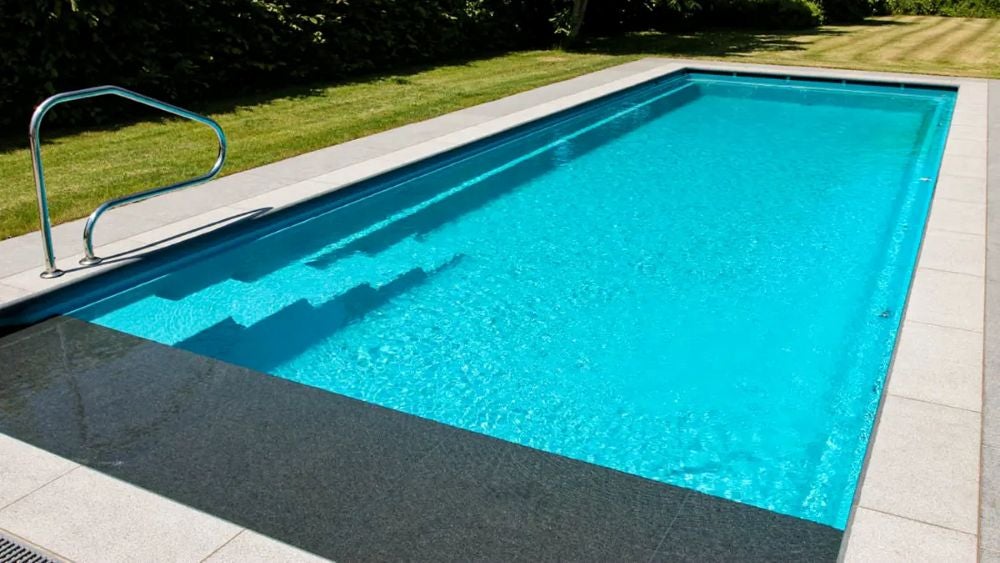
How to Decide Between a Fiberglass orConcrete Pool Quick answer: Fiberglass pools offer faster installation and lower routine maintenance, while concrete pools provide greater flexibility in shape, size, and custom design. The right choice depends on your backyard layout, design priorities, installation timeline, and budget—not a single rule that applies to every homeowner. Choosing between a fiberglass and concrete inground swimming pool is one of the most consequential decisions in any backyard pool project. Both pool types can deliver a beautiful finished result, but they differ in meaningful ways—from how they're built to how they're maintained over time. For Burr Ridge homeowners starting the planning process, understanding those differences upfront makes it easier to match the right pool to your property and priorities. Fiberglass vs. Concrete Swimming Pool: What's the Main Difference? A fiberglass pool uses a factory-manufactured shell that is transported to your property and lowered into an excavated area. A concrete pool, by contrast, is built entirely on-site—shaped, formed, and finished according to the project's specific plans. That fundamental difference in construction drives most of the tradeoffs between the two pool types. When Does a Fiberglass Pool Make Sense? Fiberglass pools tend to appeal to homeowners who want a streamlined process from start to finish. Key advantages include: Faster installation: Because the shell arrives pre-manufactured, a fiberglass pool can often be installed more quickly than a comparable concrete project. Smooth surface: The non-porous gelcoat finish is gentler on skin and generally requires less aggressive chemical maintenance. Lower routine upkeep: Fiberglass surfaces resist algae growth better than bare concrete, which can simplify ongoing maintenance. Proven designs: Shells are available in a wide range of shapes and sizes suited to typical residential backyards. The tradeoff is customization. Homeowners choose from existing shell dimensions and shapes rather than specifying every detail from scratch. If your backyard calls for an unconventional footprint or a highly specific depth configuration, a manufactured shell may not accommodate it. When Does a Concrete Pool Make Sense? Concrete pool construction offers a level of design flexibility that fiberglass cannot match. Every dimension—length, width, depth, shape, and transition zones—can be specified to fit your backyard and preferences exactly. Homeowners often choose concrete when they want: A pool shape that doesn't conform to standard manufactured designs Precise depth gradients for specific uses, such as shallow lounging areas alongside deeper swim zones A backyard layout that requires a non-standard footprint Integrated features such as beach entries, raised spa areas, or custom water features That flexibility does come with tradeoffs. Concrete pool construction generally takes longer than fiberglass installation, and concrete surfaces require more consistent maintenance attention over the life of the pool. What Factors Should You Compare Before Choosing? Before settling on either option, work through these practical considerations: Backyard size and layout — Does the space accommodate a standard shell, or does the footprint require a fully custom build? Desired shape and dimensions — Do available fiberglass designs meet your needs, or do you require something tailored? Customization level — How important are specific features, depths, or integrated elements to your overall design? Installation timeline — How does your schedule align with each pool type's typical construction process? Maintenance expectations — What level of routine upkeep are you prepared to commit to long-term? Budget — Both pool types vary in cost based on size, design complexity, site conditions, and features. Long-term plans — How does the pool fit within your broader vision for the outdoor living space? Site-specific conditions—including access, grading, drainage, and utilities—can also influence which approach is more practical for a given property. Which Pool Type Is Better for Your Backyard Design? There's no universal answer. Homeowners with a straightforward layout and a preference for faster installation and lower maintenance often find fiberglass to be the right fit. Homeowners with specific dimensions, distinctive yard shapes, or detailed feature requirements frequently prefer the design freedom that concrete construction provides. Whichever direction you lean, the pool works best when it's planned as part of the entire outdoor space—not added as an afterthought. Thoughtful backyard pool design and installation considers how the pool integrates with patios, landscaping, drainage, and how you actually intend to use the space. Planning a New Pool in Burr Ridge, IL For Burr Ridge homeowners ready to move from research to planning, working with an experienced pool builder is the most reliable way to evaluate your options against your specific property. AsureNet, based in Naperville, IL, works with homeowners throughout the area—including Burr Ridge—on inground swimming pool projects involving both pool types. A site consultation allows a pool builder to assess your backyard, discuss your design goals, and help you determine which approach fits your property and priorities. Ready to get started? Contact AsureNet to discuss your pool project and take the first step toward your finished backyard. Frequently Asked Questions What is the main difference between a fiberglass and concrete inground pool? Fiberglass pools use a pre-manufactured shell installed at your property, while concrete pools are built on-site. Fiberglass installation is generally faster and requires less routine maintenance. Concrete pools offer greater flexibility in shape, size, depth, and custom features. Which pool type requires less maintenance—fiberglass or concrete? Fiberglass pools generally require less routine maintenance. The smooth, non-porous surface resists algae buildup, which reduces the frequency and intensity of chemical treatments compared to bare concrete surfaces. How long does it take to install a fiberglass pool versus a concrete pool? Fiberglass pools typically have a shorter installation timeline because the shell arrives pre-manufactured. Concrete pools are built entirely on-site, which generally results in a longer construction process—though timelines vary based on project complexity and site conditions. Can a concrete pool be built in any shape or size? Concrete pools offer significant flexibility in shape, size, depth, and layout. Because they are constructed on-site, dimensions and features can be customized to match specific backyard layouts and design preferences that standard fiberglass shells may not accommodate. How do I choose between fiberglass and concrete for my Burr Ridge backyard? The right choice depends on your backyard layout, customization priorities, installation timeline, maintenance expectations, and budget. A professional pool builder can evaluate your property and help you determine which option is the better fit for your specific situation.