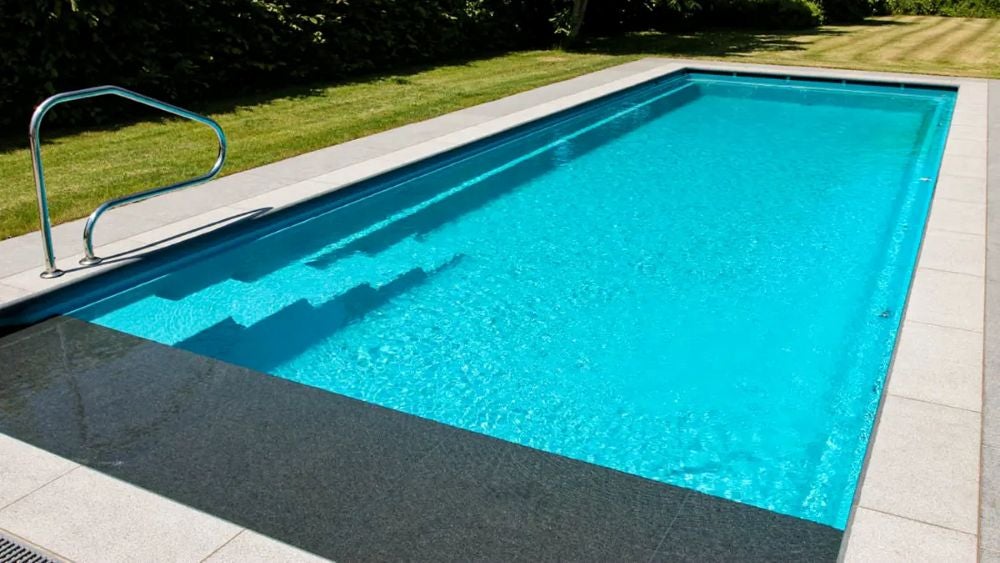
Blog / Swimming Pool Builders

How to Decide Between a Fiberglass and Concrete Pool

concrete or fiberglass pool

How to Decide Between a Fiberglass and Concrete Pool

Quick answer: Fiberglass pools offer faster installation and lower routine maintenance, while concrete pools provide greater flexibility in shape, size, and custom design. The right choice depends on your backyard layout, design priorities, installation timeline, and budget—not a single rule that applies to every homeowner.
Choosing between a fiberglass and concrete inground swimming pool is one of the most consequential decisions in any backyard pool project. Both pool types can deliver a beautiful finished result, but they differ in meaningful ways—from how they're built to how they're maintained over time.
For Burr Ridge homeowners starting the planning process, understanding those differences upfront makes it easier to match the right pool to your property and priorities.

Fiberglass vs. Concrete Swimming Pool: What's the Main Difference?

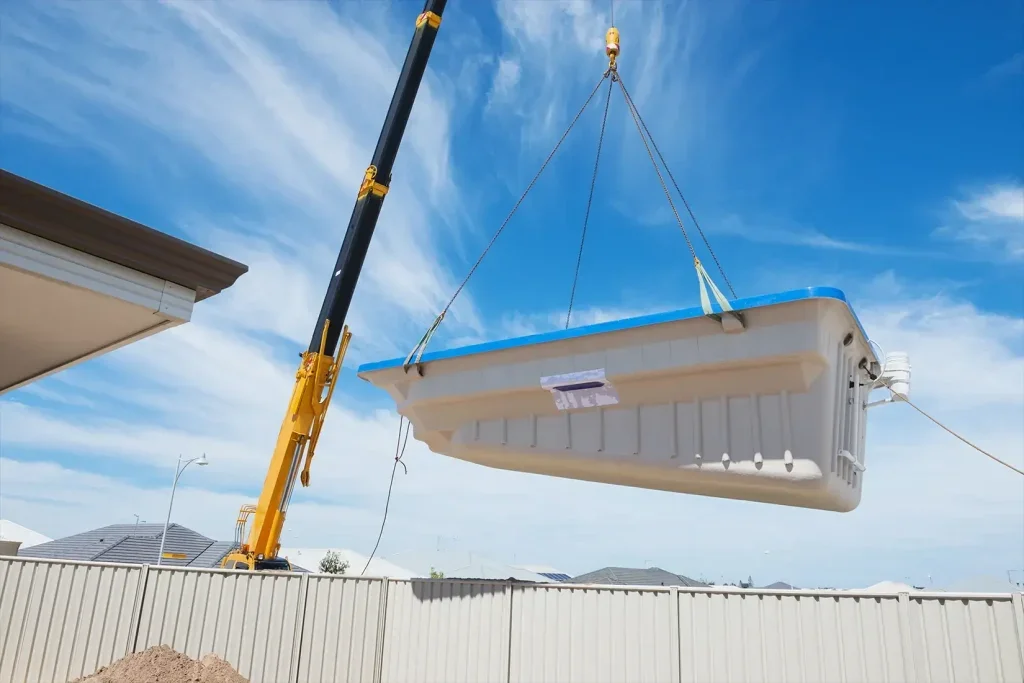
A fiberglass pool uses a factory-manufactured shell that is transported to your property and lowered into an excavated area. A concrete pool, by contrast, is built entirely on-site—shaped, formed, and finished according to the project's specific plans.
That fundamental difference in construction drives most of the tradeoffs between the two pool types.

When Does a Fiberglass Pool Make Sense?

Fiberglass pools tend to appeal to homeowners who want a streamlined process from start to finish.
Key advantages include:
  • Faster installation: Because the shell arrives pre-manufactured, a fiberglass pool can often be installed more quickly than a comparable concrete project.
  • Smooth surface: The non-porous gelcoat finish is gentler on skin and generally requires less aggressive chemical maintenance.
  • Lower routine upkeep: Fiberglass surfaces resist algae growth better than bare concrete, which can simplify ongoing maintenance.
  • Proven designs: Shells are available in a wide range of shapes and sizes suited to typical residential backyards.
The tradeoff is customization. Homeowners choose from existing shell dimensions and shapes rather than specifying every detail from scratch. If your backyard calls for an unconventional footprint or a highly specific depth configuration, a manufactured shell may not accommodate it.

When Does a Concrete Pool Make Sense?

Concrete pool construction offers a level of design flexibility that fiberglass cannot match. Every dimension—length, width, depth, shape, and transition zones—can be specified to fit your backyard and preferences exactly.
Homeowners often choose concrete when they want:
  • A pool shape that doesn't conform to standard manufactured designs
  • Precise depth gradients for specific uses, such as shallow lounging areas alongside deeper swim zones
  • A backyard layout that requires a non-standard footprint
  • Integrated features such as beach entries, raised spa areas, or custom water features
That flexibility does come with tradeoffs. Concrete pool construction generally takes longer than fiberglass installation, and concrete surfaces require more consistent maintenance attention over the life of the pool.

What Factors Should You Compare Before Choosing?

Before settling on either option, work through these practical considerations:
  • Backyard size and layout â€” Does the space accommodate a standard shell, or does the footprint require a fully custom build?
  • Desired shape and dimensions â€” Do available fiberglass designs meet your needs, or do you require something tailored?
  • Customization level â€” How important are specific features, depths, or integrated elements to your overall design?
  • Installation timeline â€” How does your schedule align with each pool type's typical construction process?
  • Maintenance expectations â€” What level of routine upkeep are you prepared to commit to long-term?
  • Budget â€” Both pool types vary in cost based on size, design complexity, site conditions, and features.
  • Long-term plans â€” How does the pool fit within your broader vision for the outdoor living space?
Site-specific conditions—including access, grading, drainage, and utilities—can also influence which approach is more practical for a given property.

Which Pool Type Is Better for Your Backyard Design?

There's no universal answer. Homeowners with a straightforward layout and a preference for faster installation and lower maintenance often find fiberglass to be the right fit. Homeowners with specific dimensions, distinctive yard shapes, or detailed feature requirements frequently prefer the design freedom that concrete construction provides.
Whichever direction you lean, the pool works best when it's planned as part of the entire outdoor space—not added as an afterthought. Thoughtful backyard pool design and installation considers how the pool integrates with patios, landscaping, drainage, and how you actually intend to use the space.

Planning a New Pool in Burr Ridge, IL

For Burr Ridge homeowners ready to move from research to planning, working with an experienced pool builder is the most reliable way to evaluate your options against your specific property.
AsureNet, based in Naperville, IL, works with homeowners throughout the area—including Burr Ridge—on inground swimming pool projects involving both pool types. A site consultation allows a pool builder to assess your backyard, discuss your design goals, and help you determine which approach fits your property and priorities.
Ready to get started? Contact AsureNet to discuss your pool project and take the first step toward your finished backyard.
Frequently Asked Questions

What is the main difference between a fiberglass and concrete inground pool?

Fiberglass pools use a pre-manufactured shell installed at your property, while concrete pools are built on-site. Fiberglass installation is generally faster and requires less routine maintenance. Concrete pools offer greater flexibility in shape, size, depth, and custom features.

Which pool type requires less maintenance—fiberglass or concrete?

Fiberglass pools generally require less routine maintenance. The smooth, non-porous surface resists algae buildup, which reduces the frequency and intensity of chemical treatments compared to bare concrete surfaces.

How long does it take to install a fiberglass pool versus a concrete pool?

Fiberglass pools typically have a shorter installation timeline because the shell arrives pre-manufactured. Concrete pools are built entirely on-site, which generally results in a longer construction process—though timelines vary based on project complexity and site conditions.

Can a concrete pool be built in any shape or size?

Concrete pools offer significant flexibility in shape, size, depth, and layout. Because they are constructed on-site, dimensions and features can be customized to match specific backyard layouts and design preferences that standard fiberglass shells may not accommodate.

How do I choose between fiberglass and concrete for my Burr Ridge backyard?

The right choice depends on your backyard layout, customization priorities, installation timeline, maintenance expectations, and budget. A professional pool builder can evaluate your property and help you determine which option is the better fit for your specific situation.

Posted in:

Related Posts

How long does it take to build a swimming pool

We Build Swimming Pools in 1 to 3 Weeks: What Homeowners in Naperville Should Know

Backyard pools have become one of the most sought-after home upgrades in Naperville, IL. More families are investing in outdoor living spaces, and the appeal of having a private pool just steps from the back door is hard to ignore. What stops many homeowners from taking the leap, though, is the assumption that pool construction is a months-long ordeal filled with delays, noise, and disruption. That assumption is not always accurate. AsureNet specializes in a streamlined approach that makes a 1 to 3 week pool installation possible for many properties in the Naperville area, and understanding how that process works can help you decide if it is the right fit for your home. Why Homeowners Want Faster Pool Installation more Illinois summers are short. Anyone who has lived in the Midwest knows that the window for outdoor swimming is narrower than most people would like. Waiting months for a pool to be completed can mean missing out on the best weeks of the season entirely. Beyond the seasonal pressure, there is also the matter of daily life. Extended construction projects create noise, limited yard access, and general disruption that most families would rather avoid. Fast swimming pool installation solves that problem by compressing the active construction phase into a much shorter window. Homeowners get to enjoy their outdoor space sooner, and the upheaval to their property is kept to a minimum. Scheduling is another factor. Shorter timelines are easier to plan around, whether you are coordinating around family events, landscaping work, or other home improvement projects. The ability to know exactly when your pool will be ready changes how you think about the entire investment. What Makes a 1 to 3 Week Pool Installation Possible? Efficient pool construction does not happen by accident. It is the result of careful planning, experienced crews, and a well-organized project management process that begins long before any digging starts. The foundation of a fast swimming pool installation is preparation. Site evaluations happen early, so potential challenges are identified and addressed before construction begins. Material availability is confirmed in advance. Permits are applied for with lead time built in so that approvals do not cause avoidable delays once work is underway. When every piece of the puzzle is in place before the first shovel hits the ground, the actual construction phase moves efficiently. Experienced installation teams also make a significant difference. Crews that have completed dozens of similar projects work with a rhythm and precision that newer teams simply cannot match. Every day on the job site is productive, and coordination between different phases of the build is tight and deliberate. That said, it is important to set realistic expectations. Timelines can shift based on weather, site conditions, and the specific scope of your project. Factors That Can Affect Installation Timelines Even with the best planning, certain variables are outside anyone's control. Some of the most common factors that can influence how long installation takes include: Yard accessibility for equipment and materials Soil conditions that may require additional groundwork Utility locations that affect where and how excavation happens Permit approval timelines from local municipalities Custom features such as water features, lighting, or specialty finishes Being upfront about these variables during the planning stage helps set accurate expectations and keeps the project on track. Benefits of Fast Swimming Pool Installation Homeowners in Naperville who choose a faster build process enjoy advantages that go beyond simply getting their pool sooner. A streamlined installation delivers real, practical benefits throughout the process and long after it is complete. Less disruption to daily life during construction Faster access to outdoor living and entertainment spaces Better use of the Illinois swimming season Improved project scheduling and coordination A more efficient overall construction experience Fast swimming pool installation is not just about convenience. It reflects a smarter approach to project management, one that respects your time and your property. Is a 1 to 3 Week Pool Installation Right for Your Property? Not every yard is the same, and not every project will follow an identical timeline. The size of your backyard, the layout of your property, the type of pool you want, and how your family plans to use the space all factor into what a realistic schedule looks like. A standard rectangular pool in a yard with good access and no unusual site conditions is a strong candidate for a 1 to 3 week pool installation. Properties with more complex layouts, significant grading challenges, or highly customized pool designs may require more time. That is not a reason to avoid moving forward; it is simply a reason to work with experienced professionals who can give you an honest assessment before the project begins. Families with young children, homeowners planning outdoor entertainment spaces, and anyone looking to maximize the Illinois summer season tend to benefit most from fast swimming pool installation. If you are trying to figure out what approach makes sense for your specific situation, the best first step is a conversation with someone who has built pools on properties similar to yours. Planning Your Backyard Pool Project in Naperville The earlier you start planning, the better your results will be. Homeowners in Naperville, IL who begin the process in late winter or early spring are in the best position to have their pool ready when warm weather arrives. Planning involves more than picking a pool style. Budget conversations, landscaping considerations, outdoor living enhancements like patios or shade structures, and property preparation all feed into the overall timeline and final result. Thinking through these elements before construction begins reduces the likelihood of mid-project changes that add time and cost. Preparing your property in advance also helps. Knowing where utilities are located, clearing the work area, and discussing access points for equipment all contribute to a smoother build once the project begins. Ready to Start? Let's Talk About Your Pool Project If you are a homeowner in Naperville, IL who has been putting off a pool project because you assumed it would take too long, it may be worth reconsidering. A 1 to 3 week pool installation is achievable for many properties, and the benefits of fast swimming pool installation are real and meaningful for families who want to make the most of their outdoor space. AsureNet is based right here in Naperville and works with local homeowners to deliver efficient, well-managed pool installations. Whether you have specific questions about your yard, want to understand the permitting process, or are ready to move forward, we are happy to help. Contact our team to schedule a consultation and find out what a realistic timeline looks like for your property.

how to fit a swimming pool in your yard in Illinois

Can I Fit a Swimming Pool?

In most cases, yes—but it’s not just about square footage. A typical in-ground pool needs: Enough open space for the pool itself Setback clearance from property lines Room for decking, access, and equipment Many suburban lots around Naperville range from 8,000 to 12,000 square feet. That’s often enough space for a well-designed pool, even if the yard isn’t wide open. What usually matters more than size: more Tree placement Property line setbacks Utility lines underground Drainage conditions A good builder doesn’t just ask “how big is your yard?” They look at how to make the space work. How Big Does a Backyard Need to Be for a Pool? There’s no one-size number, but here’s a realistic guide: Small pools: Fit in tighter suburban yards (think plunge pools or compact designs) Standard pools: Usually need a moderate-sized yard with clear access Large custom pools: Require more open space and fewer restrictions In Naperville and surrounding areas, local codes often require: Minimum distance from property lines Safety fencing Permit approvals This is where many homeowners get stuck. The yard looks big enough, but zoning or layout creates challenges. Common Concerns in Naperville and Nearby Suburbs Homeowners in this area tend to run into the same questions: Will I need permits? How close can the pool be to my house or fence? What about drainage after heavy rain? Can construction fit through my side yard? Will my HOA allow it? These aren’t deal breakers, but they do affect how the pool is designed and installed. Can I Put a Swimming Pool In My Backyard? In most cases, yes—you can. Even if your yard has limitations, there are ways to: Adjust pool size and shape Work around property lines Design for tight access points Use materials that speed up installation The key is working with a builder who knows how to adapt to suburban properties instead of forcing a one-size design. Faster Installation Than You Think One of the biggest misconceptions is how long it takes to install a pool. Traditional builds can drag on for months. But with the right system and planning, Asure Net can complete a pool installation in as little as 2 to 3 weeks. That’s a major advantage in places like Naperville where: Weather windows matter Homeowners want minimal disruption Summer timelines are tight Final Thought If you’re asking, “Can I put a swimming pool in my backyard?” —you’re already in the right place. Most properties in Naperville and surrounding suburbs like Burr Ridge, Oak Brook and Northbrook can support a pool with the right approach. The difference comes down to design, experience, and how efficiently the project is handled. If you want a clear answer based on your yard, reach out to Asure Net. A quick review can tell you what’s possible and how fast you can get it done.

Here is what determins the cost of a swimming pool.

How Much Does an Inground Pool Cost in Naperville, IL?

The cost to install an inground pool in Naperville, IL depends on the pool type, site conditions, and features you choose. Most homeowners researching pool installation near me are comparing options before committing to a design or installer. In general, inground pool installation costs more upfront than above-ground pools, but offers greater durability, customization, and long-term value—especially in established Naperville neighborhoods. Average Inground Pool Installation Cost in Naperville more In Naperville, the pool installation cost varies because each property is different. Lot access, soil conditions, drainage requirements, and local permitting all affect pricing. Homes in areas like South Naperville, Ashwood Park, and older neighborhoods near downtown often require additional planning that influences cost. Fiberglass pool installation is commonly selected because it installs faster and requires less long-term maintenance. Installing a fiberglass pool typically costs less than fully custom concrete builds while still delivering a high-end finish. Concrete pools allow more customization but involve higher labor and longer timelines. What Drives the Cost to Install a Pool? The cost to install a pool is shaped by a few key factors: Pool type – fiberglass vs. concrete Backyard layout – access, grading, utilities Add-ons – pool heater installation, lighting, automation Decking – concrete pool deck installation and layout Permits and inspections – required in Naperville Pool installation companies that account for these details upfront provide more accurate pricing and fewer surprises during construction. Common Concerns When Planning an Inground Pool Homeowners often worry about timelines, maintenance, and whether the finished pool will match their expectations. Others are concerned about Illinois weather, seasonal use, and choosing the wrong system for long-term performance. These concerns are valid. That’s why working with an experienced swimming pool installer matters more than choosing the lowest estimate. How AsureNet Helps Naperville Homeowners AsureNet simplifies backyard pools installation by focusing on planning before construction. Homeowners receive a free estimate and a custom 3D digital pool design, allowing them to see exactly how the pool will fit their space before work begins. AsureNet also manages permitting, coordinates trades, and helps homeowners select materials and features that make sense for Naperville’s climate and lifestyle—reducing delays and unexpected costs. Is an Inground Pool Worth It? Beyond installation cost, an inground pool delivers everyday value. It creates space for family time, entertaining, fitness, and relaxation. In Naperville, where outdoor living is a priority during warmer months, a private swimming pool turns a backyard into a personal retreat. With the right planning and installer, an inground pool becomes an upgrade you enjoy daily—not a project you regret.